Amylase for Starch Risk in Cider Apple Processing
When apples arrive with elevated starch carryover, the issue rarely announces itself at the bin. It shows up downstream: slow juice release, stubborn haze, loaded filters, unpredictable clarification, and a cider that takes longer to settle into the bright, clean profile your buyers expect.
Enzymesbridge supplies amylase for cider production as part of a practical enzyme plan for mills processing variable fruit, late-season lots, dessert apple blends, high-throughput runs, or apples brought in before full starch conversion. The goal is not to force a different cider. The goal is to keep starch from becoming a production bottleneck. Amylase is supplied wholesale to cider mills, juice processors, distributors and resellers, quoted per order.
Request a quote for an amylase recommendation matched to your apple supply, press setup, juice handling, and clarification target. Include the quantity and delivery country.
Where starch becomes a cider mill problem
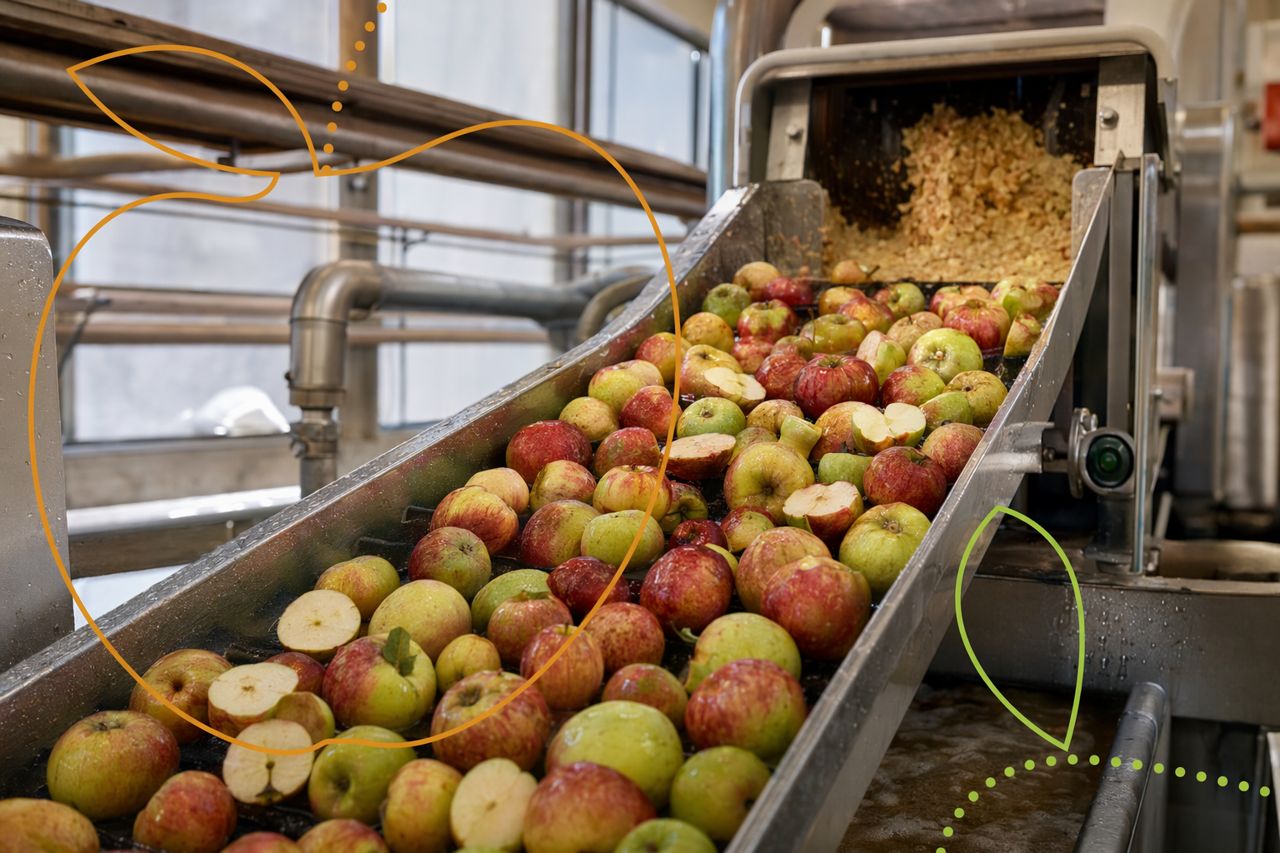
In ripe cider apples, starch has largely converted before pressing. But real production fruit is rarely that tidy. Starch risk can rise when mills process:
- Early-harvest apples with incomplete maturation
- Blends that include culinary or dessert varieties
- Fruit pulled ahead of weather, labor, or storage pressure
- Cold-stored lots with uneven maturity
- High-volume crushes where screening is limited
- Pomace streams that hold fine suspended solids
Starch can bind water, thicken juice fractions, protect haze particles, and interfere with normal separation. Even when sugar, acidity, and tannin look workable, starch can quietly affect press efficiency and finished clarity.
What amylase does in cider processing
Amylase targets starch chains and breaks them into smaller soluble fragments that are easier to carry through the process. In cider production, the operational value is straightforward:
- Better juice mobility through mash and pomace
- Lower risk of starch-driven haze
- Faster clarification response
- Improved filterability before packaging
- Cleaner cellar turns on bright cider programs
- More predictable stabilization alongside pectinase and fining steps
Amylase is not a substitute for good fruit selection, pectin management, or disciplined cellar work. It is a control point for one specific risk: starch behaving like a hidden viscosity and haze driver.
When to consider amylase in your enzyme program
Amylase makes sense when starch risk is likely or confirmed by production behavior. Common triggers include:
Press performance changes
If the same press program suddenly gives slower drainage, wetter cake, or lower free-run recovery on certain lots, starch may be contributing to reduced juice release.
Clarification that stalls
If pectinase is performing normally but the juice still holds a fine, persistent haze, starch may be part of the suspended solids load.
Filter pressure rises early
Bright cider that plugs pads, cartridges, or crossflow systems faster than expected may be carrying starch-associated colloids.
Variable apple maturity
Mixed maturity fruit can produce a cider stream that looks normal at intake but behaves differently in tank. Amylase helps reduce that uncertainty.
How Enzymesbridge positions amylase in the mill
For most cider makers, amylase is best viewed as a targeted addition within a broader clarification plan. Enzymesbridge helps you align the enzyme choice with:
- Mill style: hammer mill, grinder, scratter, or belt-fed prep
- Press type: rack and cloth, belt press, bladder press, or hydraulic systems
- Contact point: mash, press pan, juice tank, or pre-clarification hold
- Fruit profile: sharp, bittersweet, culinary, dessert, or blended supply
- Process goal: maximum yield, rapid settling, filtration readiness, or packaged brilliance
The right approach depends on where starch is limiting flow or clarity. Some mills benefit from mash-side application before pressing. Others use amylase in juice handling where the main objective is clarification and downstream filtration consistency.
Amylase, pectinase, and tannin-sensitive cider
Cider is not neutral juice. Pectin, starch, tannin, suspended solids, yeast nutrition, and aroma all sit in the same production stream. That is why enzyme planning matters.
Pectinase addresses pectin structure and juice release. Amylase addresses starch. Used thoughtfully, the two can support each other without over-processing the cider. Enzymesbridge helps cider mills build enzyme programs that protect:
- Fresh apple aroma
- Natural tannin structure
- Fermentation reliability
- Brightness without stripping character
- Repeatable cellar timelines
The aim is a cider that clears cleanly but still tastes like the orchard it came from.
Production benefits for hard cider mills
A well-matched amylase program can improve both cellar flow and commercial predictability.
More efficient pressing
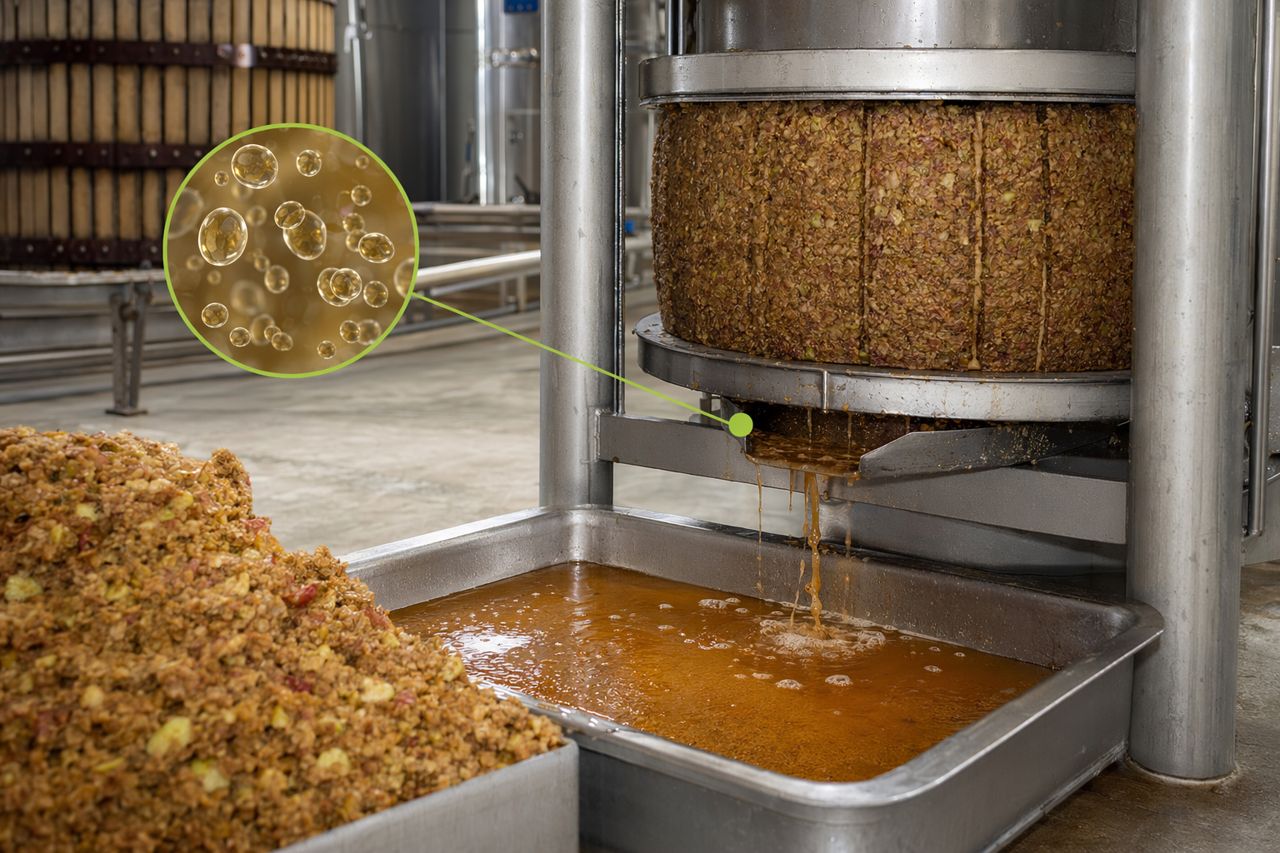
Reducing starch-related thickening can help juice move more freely through pomace, improving press consistency across variable apple lots.
Faster clarification decisions
When starch is controlled, cider makers can read settling behavior with more confidence and avoid chasing haze with unnecessary corrective steps.
Lower filtration stress
Cleaner colloidal behavior can reduce premature filter loading, helping protect packaging schedules and labor planning.
More consistent fermentation preparation
Clarified juice with fewer starch-related complications is easier to manage before yeast pitch, nutrient planning, and temperature control.
Better finished-cider stability
Starch carryover can contribute to late haze surprises. Amylase helps reduce that risk before the cider reaches package.
Built for commercial cider decisions
Enzymesbridge works with cider producers who need enzyme choices that fit real production, not generic juice language. We can support conversations around:
- Seasonal apple variability
- Starch-risk lots and maturity windows
- Mash versus juice-side enzyme strategy
- Clarification objectives before fermentation or packaging
- Compatibility with existing pectinase programs
- Process trials that are practical for a working mill
If your team is seeing slow clears, filter drag, or inconsistent press behavior tied to apple maturity, amylase may be the missing control point.
Request a quote
Tell us the product or job, the quantity you need per order or per season, and the delivery country, plus your apple varieties, press type, clarification target, and where starch risk appears in your process. Enzymesbridge will recommend an amylase option for your cider production plan and provide a bulk quote for your purchasing team. Pack format and delivery are quoted per order.
Use the on-site request a quote form to start the conversation.