Enzyme Supplier for Cider Production
Enzymesbridge supplies processing enzymes wholesale and in bulk to commercial cider mills, contract pressing sites, juice processors, and the distributors and resellers who serve them. Fruit arrives with variable maturity, press schedules cannot stall, tank space has to turn, and the cider has to finish bright, aromatic, and stable.
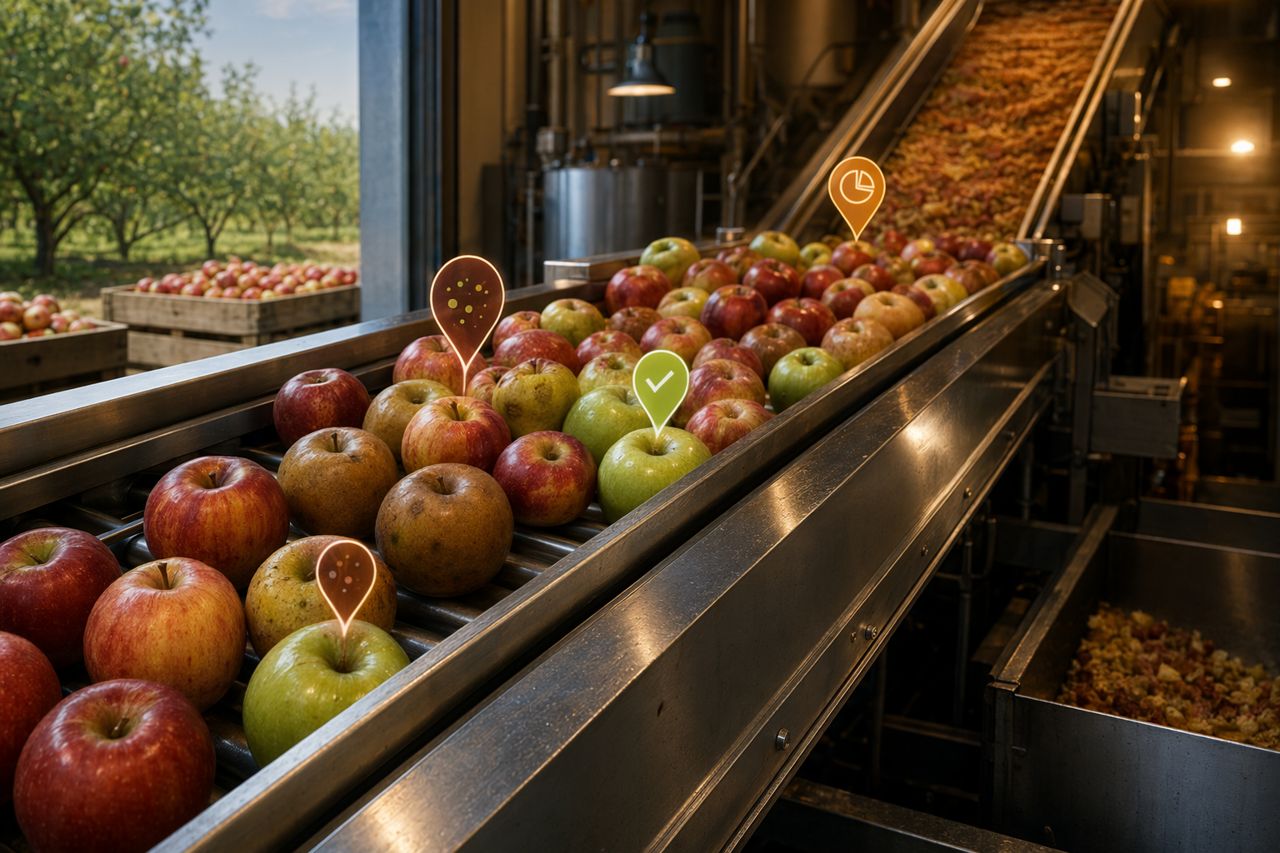
As an enzyme supplier for cider production, we help production and purchasing teams use enzymes as practical production aids across the workflow — from apple milling and maceration through pressing, clarification, fermentation readiness, filtration, and packaging preparation.
Our role is simple: help you get more clear, fermentable juice from the fruit you buy, with fewer slowdowns between the mill, press, tank, and filter. Supply is quote-only and priced per order.
Request a wholesale quote — send the enzyme job or product, the quantity, and the delivery country.
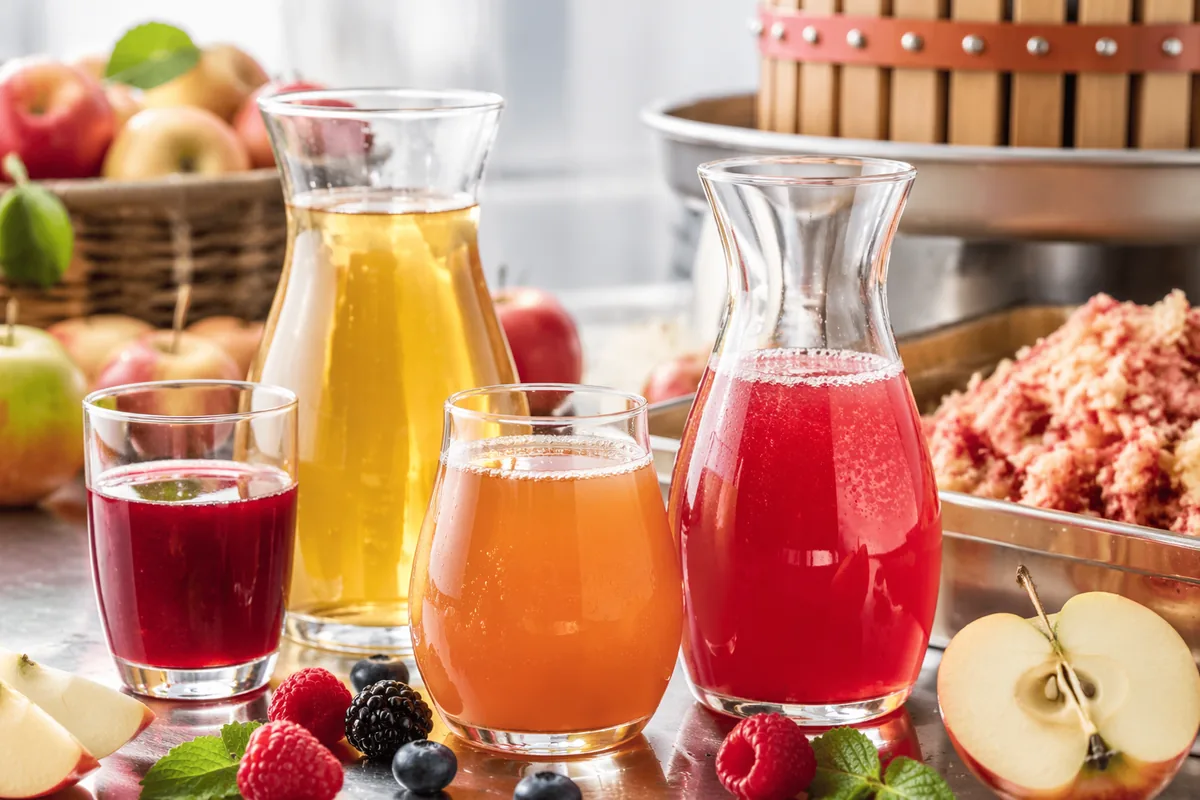
Built for the Real Cider Mill Workflow
Cider fruit is not a uniform raw material. Variety, ripeness, storage time, bruising, starch carryover, temperature, and pressing style all affect how juice releases and how quickly it clears.
Enzymesbridge enzyme programs are selected around those realities.
Where enzymes support cider production
- Maceration support to soften apple tissue and improve juice release before pressing
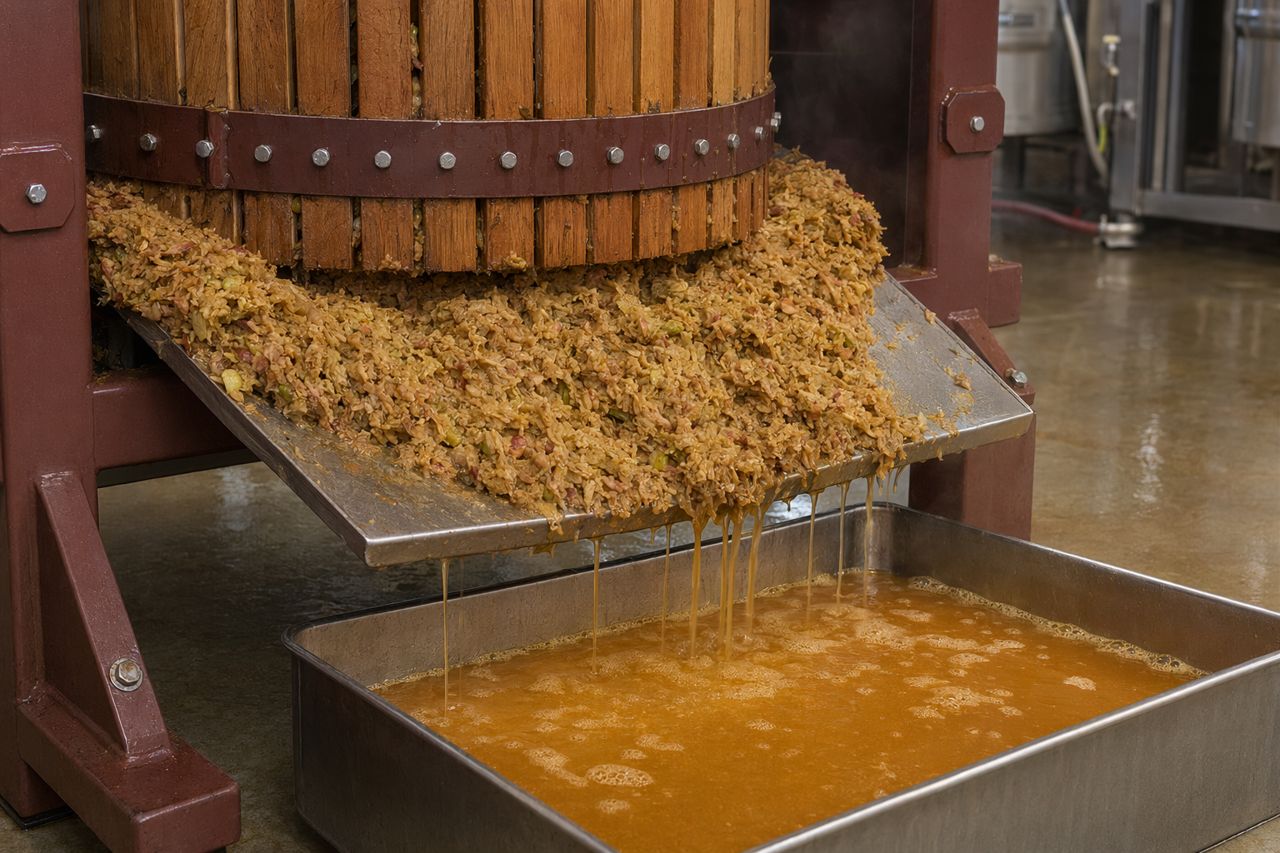
- Press yield improvement by reducing pulp viscosity and helping juice separate from pomace
- Pectin breakdown to reduce haze risk and speed clarification
- Settling support for cleaner rack-off and more predictable tank turnover
- Starch-risk management when immature or stored fruit creates clarification challenges
- Filtration readiness by reducing colloidal load and improving flow consistency
- Fermentation consistency through cleaner juice handling and better must preparation
- Packaging preparation for brighter cider and fewer late-stage clarity surprises
More Juice. Cleaner Separation. Faster Decisions.
A good cider enzyme does not just act in the tank. It changes the way the whole line behaves.
When pectin load is controlled and pulp structure opens properly, the mill sees measurable operational gains: better drainage at the press, less slimy pomace, cleaner juice transfer, faster settling, and fewer filterability problems downstream.
That means your team can make decisions sooner — rack, blend, ferment, filter, or hold — with less guesswork.
Enzyme Solutions for Key Cider Applications
Apple maceration and pressing
For mills focused on throughput and yield, Enzymesbridge can recommend maceration and press-aid enzyme blends that help break down fruit cell wall structure. The goal is improved free-run release, better press cake behavior, and less retained juice in pomace.
These solutions are useful when working with high-pectin dessert apples, mixed orchard fruit, cold fruit, stored fruit, or press programs where drainage slows late in the cycle.
Pectin haze reduction
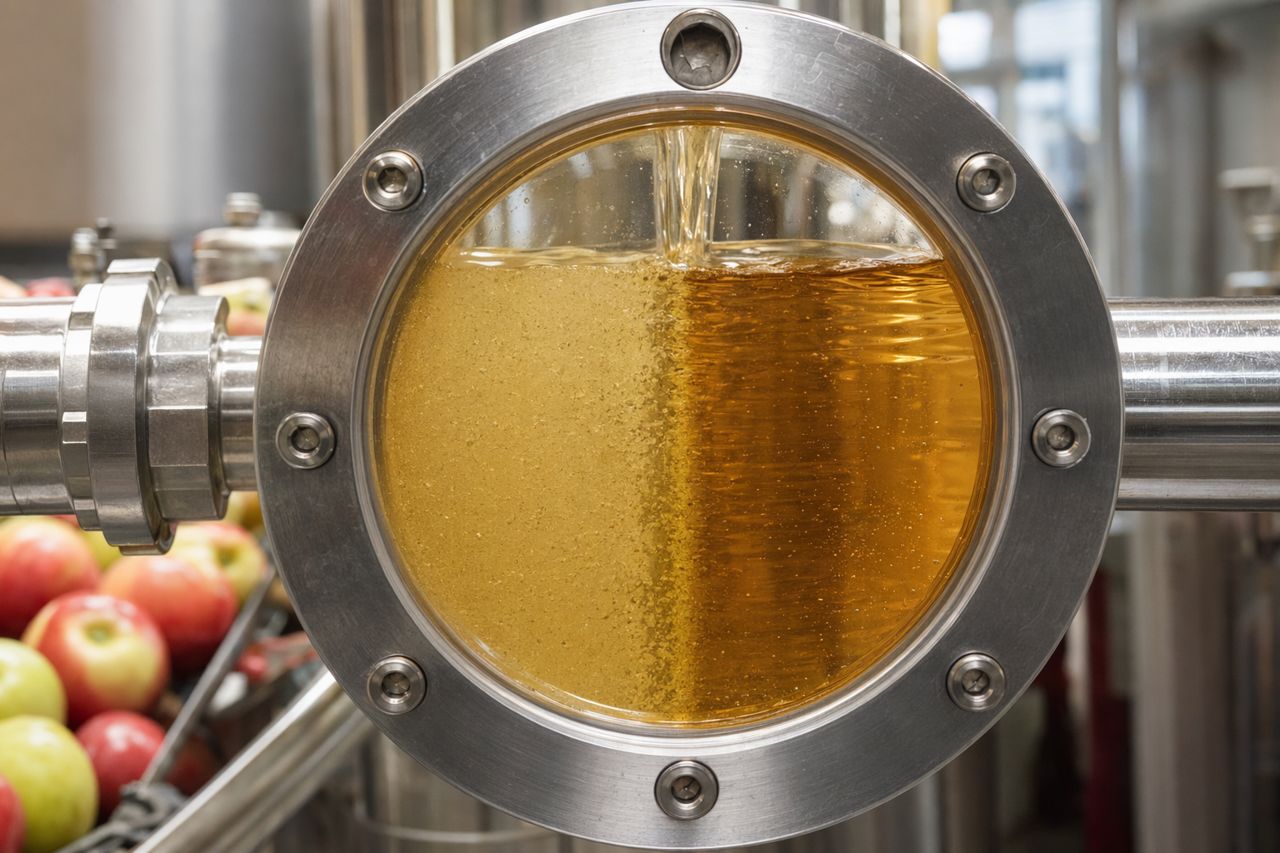
Pectin is one of the most common causes of slow clarification and persistent haze in cider juice. Enzymesbridge pectin-targeted enzyme solutions help reduce the pectin burden before it becomes a downstream problem.
The result is cleaner settling, brighter juice, and improved readiness for filtration or fermentation, depending on your production style.
Clarification and tank turnover
Every day a tank sits cloudy is a day of locked-up capacity. Enzymatic clarification support helps suspended solids compact more predictably, giving your team cleaner separation and a more confident rack.
For cider makers managing seasonal fruit surges, contract production, or limited cellar space, this can be the difference between a calm schedule and a backed-up cellar.
Starch-risk management
Under-ripe apples, long-stored fruit, and certain variety mixes can bring starch-related clarity concerns into the mill. Enzymesbridge can help identify when starch-risk support belongs in the process and where it should be used for best operational effect.
The objective is not over-treatment. It is a practical, cider-aware enzyme plan that protects clarity and keeps production moving.
Filtration and packaging readiness
Poor filter flow often starts much earlier than the filter pad, cartridge, or crossflow system. Pectin, fine pulp, and colloidal haze can all contribute to slow filtration and unpredictable packaging timelines.
Enzymesbridge enzyme programs are designed to reduce these burdens before the cider reaches final filtration, helping protect flow rate, product brightness, and schedule reliability.
Enzyme Programs by Operating Model
Hard cider production changes shape as volume grows, so we recommend enzyme systems by how your site runs, not just by product name.
Seasonal pressing
When fruit is coming in fast, the press is the bottleneck. The focus is better juice release from dessert, culinary, bittersweet and mixed orchard fruit, fewer slow and sticky press cycles, and cleaner pomace separation when apples are high in pectin or partly soft — without overworking the mash and losing fresh apple aroma.
Contract crushing
Contract processors need repeatable results across customers and apple lots. One client brings firm late-season fruit, another aromatic apples with high haze potential, another juice that must move quickly into fermentation or off-site transport. Recommendations account for variety mix and ripeness, mill and press configuration, target clarity before transfer, hold time, and each customer's downstream handling.
Tank-to-tank clarification
Pectin haze, slow-settling solids and uneven tank behavior tie up capacity and delay blending or packaging. Clarification enzymes help break down the pectin structures that hold solids in suspension, for cleaner racking and more predictable transfers. Clarification is a capacity step, a filtration step and a quality step.
In-house packaging
A batch that looked ready in tank can slow filtration, throw haze or miss a filling slot. Enzyme planning earlier in the process reduces that risk and protects final clarity, tank availability and aroma in bright cider styles.
Year-round fermented cider
Stored fruit behaves differently from fresh fruit, and juice chemistry moves with the season. Year-round producers need consistent press performance across fresh and stored-fruit campaigns, steady turbidity before yeast pitch, and enzyme stock planned before production peaks.
Why Cider Makers Choose Enzymesbridge
Enzymesbridge works with cider producers who need more than a catalog item. You need enzyme guidance that respects fruit condition, press type, processing temperature, contact time, cellar goals, and the sensory style of the cider.
We support:
- Regional cider mills scaling seasonal production
- Craft and premium cider makers protecting aroma and mouthfeel
- Contract cider facilities balancing multiple fruit lots and client specs
- Industrial cider operations focused on yield, clarity, and repeatability
- Mills converting fresh apple juice into stable fermentation-ready must
Practical Benefits for Buyers and Production Teams
For operations managers
- Improve press utilization
- Reduce slow-draining batches
- Support faster settling and tank turnover
- Lower the risk of filtration bottlenecks
- Create more predictable production windows
For cider makers
- Preserve fresh apple character and varietal expression
- Reduce haze problems without heavy-handed processing
- Improve fermentation readiness
- Maintain better control over texture, brightness, and aroma
- Adapt enzyme use to fruit maturity and seasonal variation
For procurement teams
- Source from a supplier focused on cider production needs
- Receive clear product selection support
- Align enzyme choice with process goals, not generic assumptions
- Plan supply for harvest peaks and year-round production
- Request documentation and technical guidance for internal review
A Supplier That Understands Fruit Variability
No two harvest weeks behave the same. Early fruit may carry starch and firmness. Late fruit may press easily but bring more oxidative risk. Stored apples can shift texture and juice behavior. Dessert, culinary, bittersweet, and sharp varieties all change the enzyme conversation.
Enzymesbridge helps you choose the right enzyme approach for the fruit in front of you — not a theoretical apple.
How We Build an Enzyme Recommendation
When you contact Enzymesbridge, we typically look at:
- Apple variety mix and maturity profile
- Milling and maceration conditions
- Press type and drainage behavior
- Juice temperature and holding time
- Clarity target and settling method
- Fermentation timing and yeast plan
- Filtration system and packaging schedule
- Any recurring haze, starch, or filterability issues
From there, we recommend an enzyme direction that fits your mill, your cellar, and your cider style.
Request a Wholesale Quote
Enzymesbridge supplies cider producers, contract pressers, juice processors, distributors and resellers on a quote basis. Pack format, quantity and delivery terms are quoted per order.
In your inquiry, include:
- Product or job: press yield, clarification, starch risk, filtration readiness, or a named enzyme type
- Quantity: per order or per season
- Destination: delivery country
- Process notes (optional): apple mix, press type, where the line slows down
Request a quote using the on-site contact form and the Enzymesbridge team will match your production goals with an enzyme solution and a bulk supply quote.