How Apple Variety Mix Affects Hard Cider Processing
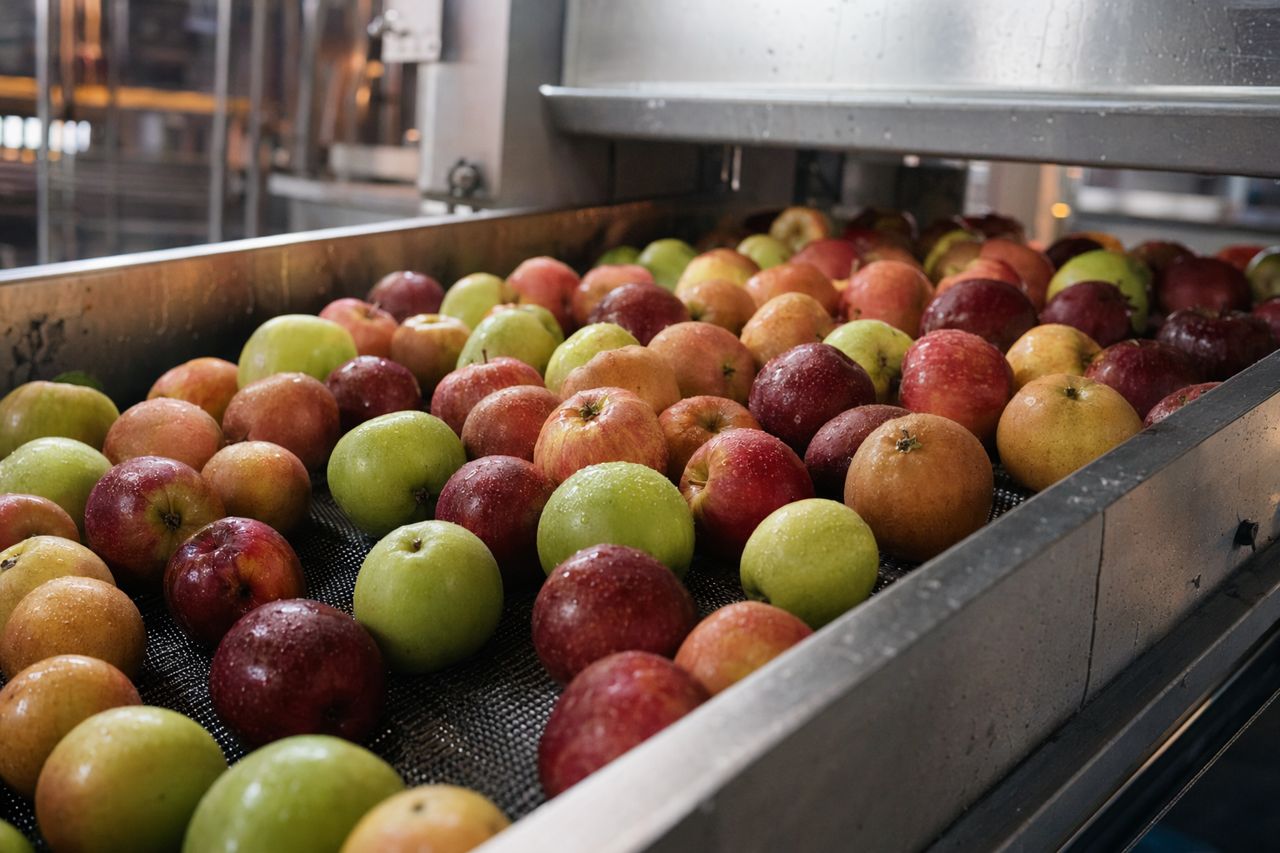
Apple variety is not just a sensory decision. In a hard cider mill, the fruit mix changes how pomace behaves under pressure, how fast juice clears, how much filtration load you carry, and how steady the must is when it reaches fermentation.
For producers working across dessert apples, heirlooms, bittersweets, bittersharps, crabs, and late-season storage fruit, the same press schedule and enzyme plan will not behave the same every week. Variety mix affects pulp structure, pectin load, tannin extraction, starch carryover, viscosity, juice release, and fermentability.
Enzymesbridge supplies enzyme solutions for cider production built around those real mill variables: yield, press efficiency, clarification speed, aroma retention, and consistent fermentation preparation.
Why variety mix changes the mill
A cider blend may be designed for acidity, tannin, sugar, and aroma. But inside the process, each apple group brings a different physical load.
Dessert apples: aromatic, juicy, often pectin-active
Many dessert apples offer bright aromatics and accessible sugar, but they can carry pectin levels that slow clarification and hold fine haze in suspension. In a mill setting, this can show up as:
- Slower juice release from the mash
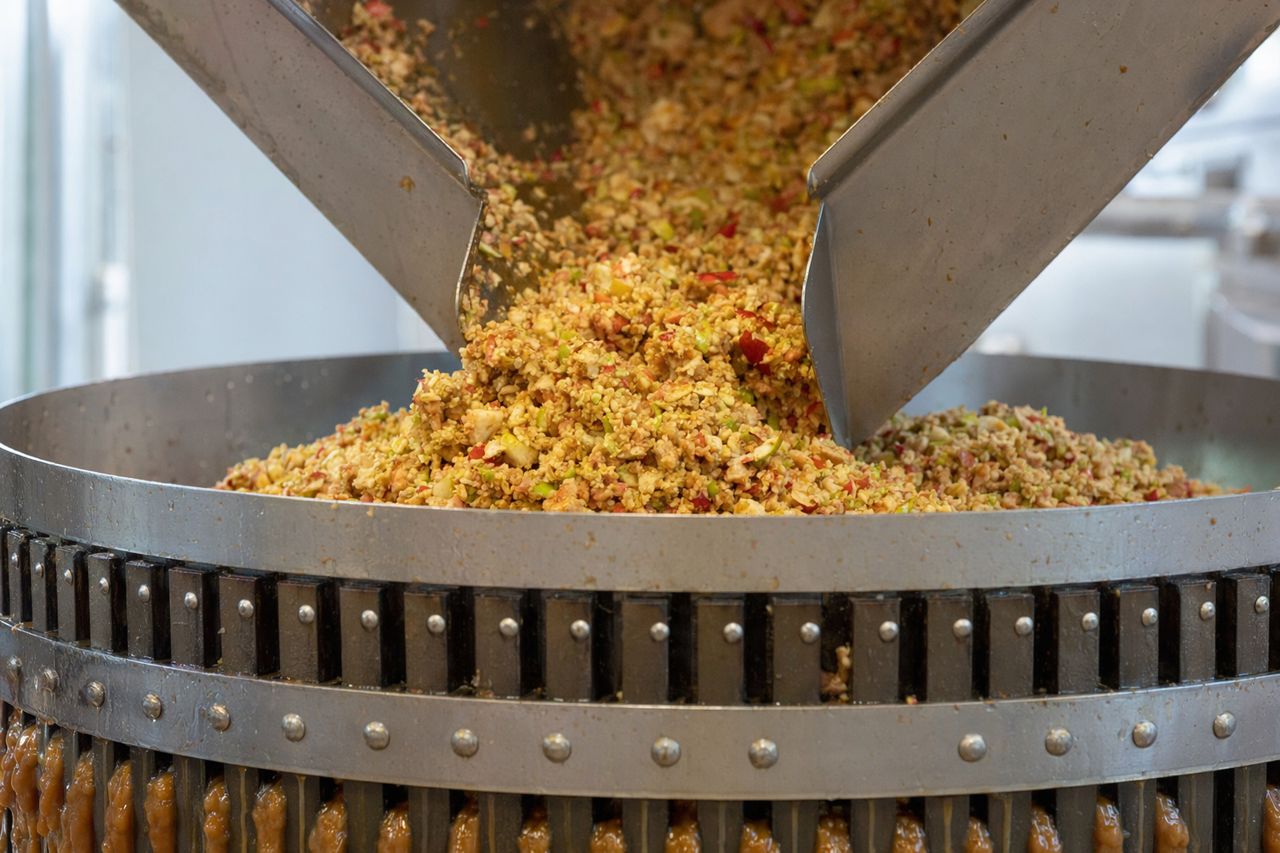
- Softer pomace that compacts unevenly
- Higher viscosity in fresh juice
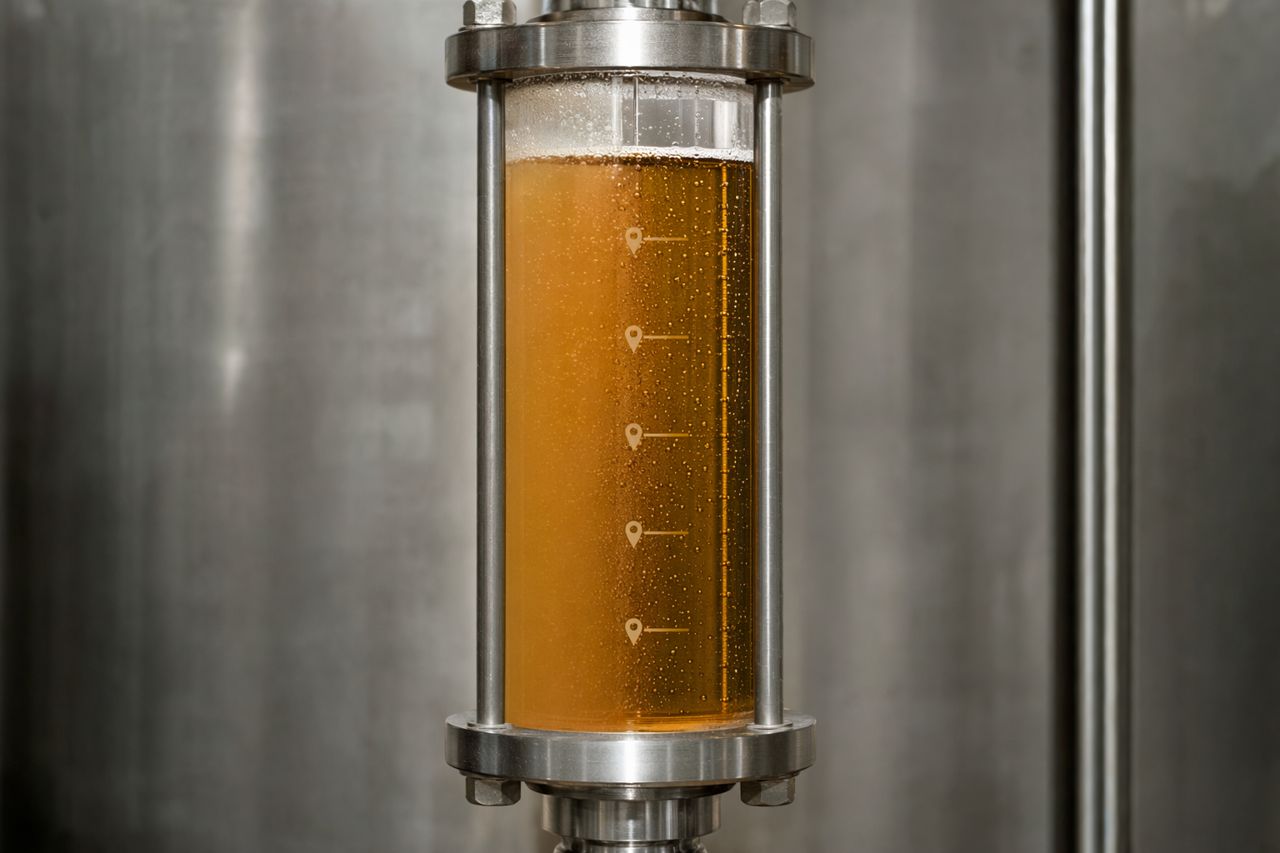
- Persistent pectin haze after pressing
- Extra load on clarification, centrifugation, or filtration
A well-matched cider enzyme program helps open the fruit structure and reduce pectin-related haze without pushing the cider toward a stripped or overprocessed profile.
Bittersweet and bittersharp apples: structure with different clarification behavior
Bittersweet and bittersharp fruit can bring the phenolic weight and bitterness that define many traditional cider styles. They may also behave differently in clarification because tannins, proteins, and pectic material interact in the juice.
Operationally, these lots may need careful balance. The goal is not simply to clear everything aggressively. The goal is to improve process control while preserving the variety-driven structure that makes the cider worth fermenting.
Crab apples and high-acid components: small additions, large process impact
Crab apples and high-acid varieties may represent a smaller portion of the blend, but they can change mash behavior, extraction profile, and the sensory intensity of the juice. Their dense tissue and concentrated phenolics can affect pressing dynamics and downstream stability.
When these components rise in the blend, enzyme selection should account for both juice release and the desired mouthfeel after fermentation.
Late-season and storage fruit: firmness, starch, and slower breakdown
Firm late-season fruit often needs more help releasing juice cleanly. Storage conditions can also shift texture, ripeness, and cell-wall response. If fruit enters the mill cold, firm, or unevenly mature, the press may see:
- Lower free-run yield
- Longer press cycles
- Drier-looking pomace that still holds juice
- Slower pectin break
- Less predictable settling behavior
For these lots, enzyme timing, contact time, and temperature awareness matter as much as the product choice.
The main processing variables to watch
1. Pectin load
Pectin is one of the biggest reasons an otherwise good cider juice refuses to brighten. High-pectin lots can hold haze, increase viscosity, slow settling, and create pressure during filtration.
A cider-focused pectolytic enzyme approach can help break down pectin early enough to support pressing, clarification, or pre-fermentation settling, depending on the mill's preferred flow.
2. Pulp texture
Two apple lots with similar sugar and acid can press very differently. Mealy, soft, overripe fruit can smear and compact. Firm fruit can resist breakdown and trap juice. The enzyme plan should match the physical behavior of the mash, not just the variety name on the bin.
3. Tannin and phenolic load
Phenolic structure is desirable in many hard cider styles, but it changes how clarification behaves. Enzyme selection should support process efficiency without flattening the cider's grip, bitterness, or aromatic lift.
4. Ripeness and storage condition
A variety harvested early will not process like the same variety after storage. Ripeness shifts pectin character, cell-wall strength, starch conversion, juice flow, and aroma availability. For mills running multiple receiving windows, this is often the reason a press program that worked in October feels different in December.
5. Target clarification point
Some producers want bright juice before fermentation. Others ferment with more suspended solids for style and aroma reasons, then clarify later. The enzyme strategy should fit the desired clarification point:
- Pre-press maceration for improved juice release
- Post-press depectinization for faster settling
- Pre-filtration treatment for lower haze risk and better throughput
- Style-sensitive support where aroma and mouthfeel retention matter
Where enzymes create measurable production value
As an enzyme supplier for cider production, Enzymesbridge focuses on outcomes that matter inside the mill, not abstract lab language.
Better juice release
When enzymes are matched to the fruit structure, pomace can release more juice with less resistance. This may support improved yield, more consistent cake behavior, and better use of each apple lot.
Faster, cleaner press cycles
A mash that drains well is easier to manage. Improved drainage can reduce press bottlenecks, help stabilize daily throughput, and give the production team fewer surprises between lots.
Reduced pectin haze
Pectin-driven haze can slow tank turns and increase downstream processing pressure. Enzymatic pectin breakdown helps cider makers reach the desired clarity target more predictably.
Lower filtration stress
When pectin and fine suspended solids are addressed earlier, filtration can become less of a choke point. That can mean fewer interruptions, better flow behavior, and less risk of stripping aroma through overcorrection.
Fermentation-ready must
Consistent must condition supports consistent fermentation. Enzyme use will not replace yeast management, nutrition, or sanitation, but it can help create juice that enters fermentation with more predictable viscosity, solids load, and clarification behavior.
Matching enzyme strategy to variety mix
A single all-season approach may be convenient, but it rarely fits every fruit intake. Enzymesbridge helps cider mills think through the enzyme plan by asking practical production questions:
- What apple groups are in the blend?
- Is the fruit firm, soft, stored, cold, or recently harvested?
- Is the main objective yield, clarification, filtration, or fermentation consistency?
- Will enzyme contact happen in the mill, the juice tank, or before filtration?
- Is the cider style bright and clean, rustic and phenolic, aromatic and fresh, or tannic and structured?
- What is the target process window before pressing, pitching, racking, or packaging?
From there, the goal is to recommend an enzyme solution that fits the mill's workflow instead of forcing the workflow to fit the enzyme.
Practical scenarios in the cider mill
The aromatic dessert-heavy run
A blend led by dessert fruit may smell bright and floral but settle slowly. The mill may see cloudy juice, soft pomace, and haze that persists longer than planned.
A targeted pectin breakdown step can support faster clarification while helping protect fresh apple aromatics.
The tannic bittersweet run
A bittersweet-heavy lot may bring excellent structure but require a more measured clarification plan. Overhandling can dull the cider; under-treating can create downstream filtration problems.
Here, enzyme choice should support separation and flow while respecting the phenolic profile.
The late-season firm-fruit run
Firm stored apples can reduce press efficiency if the mash does not open properly. Enzyme support before or after pressing can improve juice availability and help keep the press from becoming the day's bottleneck.
The variable bin week
Many mills face the hardest decisions when the variety mix shifts every delivery. In these cases, a flexible enzyme program can help the team respond to fruit condition while maintaining consistent production targets.
What Enzymesbridge brings to cider producers
Enzymesbridge is built for the hard cider mill that wants technical support without noise. We help producers select enzyme solutions around cider-specific process needs:
- Press yield and pomace drainage
- Pectin haze reduction
- Faster juice clarification
- More predictable tank turns
- Filtration readiness
- Aroma-conscious processing
- Fermentation preparation
- Seasonal variation in apple supply
The right enzyme plan should make the line feel calmer: cleaner juice movement, fewer haze surprises, better use of fruit, and more confidence when the variety mix changes.
Request a cider enzyme quote
If your next production run involves shifting apple varieties, persistent pectin haze, slow press cycles, or must that needs more consistent clarification before fermentation, Enzymesbridge can help you select an enzyme solution for the job.
Request a quote for cider-focused enzyme supply and tell us about your fruit mix, process stage, and production target.